
Non-medical home care experts

Our purpose manifests in three critical dimensions.
Client-Centered Care Revolution
We challenge the status quo of impersonal, task-oriented care by implementing a relationship-based model where caregivers truly know and understand their clients’ unique needs, preferences, and life stories.
Caregiver Professionalization Movement
We are leading the charge to recognize non-medical caregiving as the skilled profession it truly is. Through training programs, career advancement pathways, and professional development, we’re demonstrating that quality care requires specialized knowledge and deserves appropriate compensation and respect.
Healthcare System Partnership
We serve as a vital bridge between clinical healthcare and daily living needs. By coordinating closely with medical professionals and implementing evidence-based protocols, we help reduce hospital readmissions, improve chronic disease management, and support overall wellness – all while keeping costs significantly lower than institutional care options.
The growing need
- of Americans turning 65 will need some form of long-term care in their lifetimes.
- 70%
- Source: U.S. Department of Health and Human Services
- U.S. residents will be of retirement age by 2030, when all baby boomers are over 65.
- 1 in 5
- Source: U.S. Census Bureau
- of older adults want to remain in their own homes as they age.
- 90%
- Source: AARP
Essential ADLs
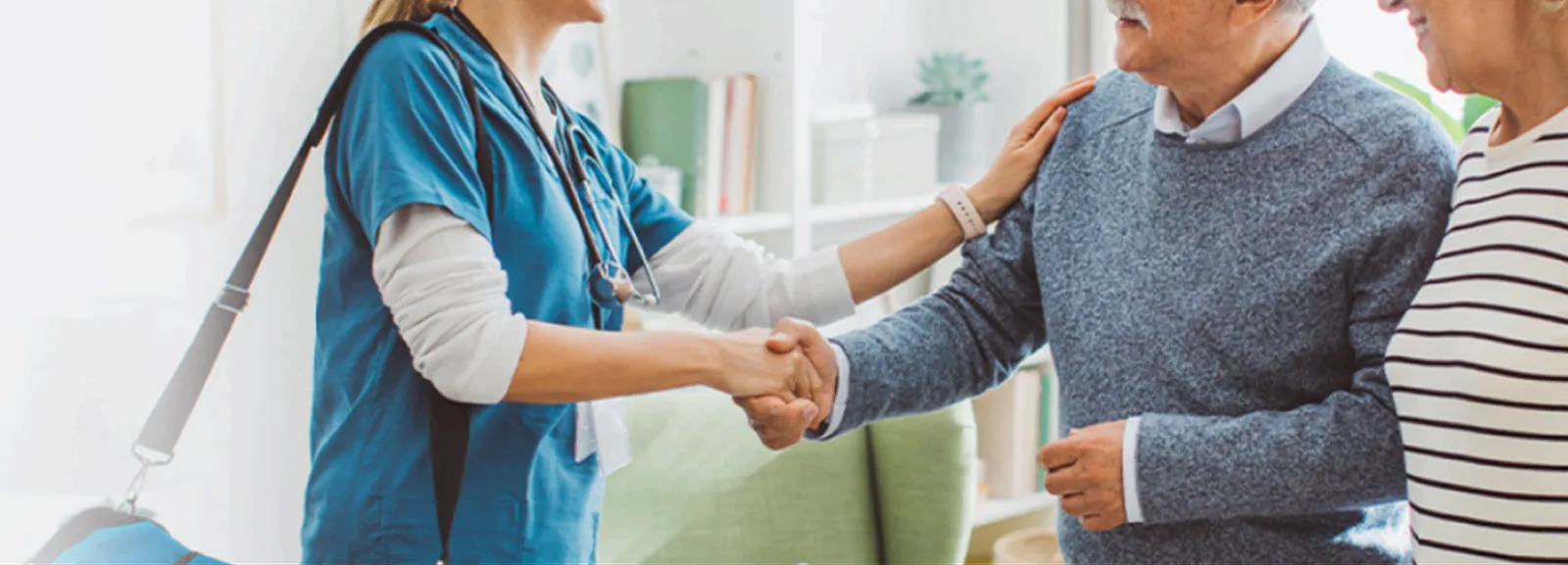
- Bathing and personal hygiene
- Dressing and grooming
- Toileting and continence care
- Mobility and transfers
- Eating and feeding assistance
Critical IADLs
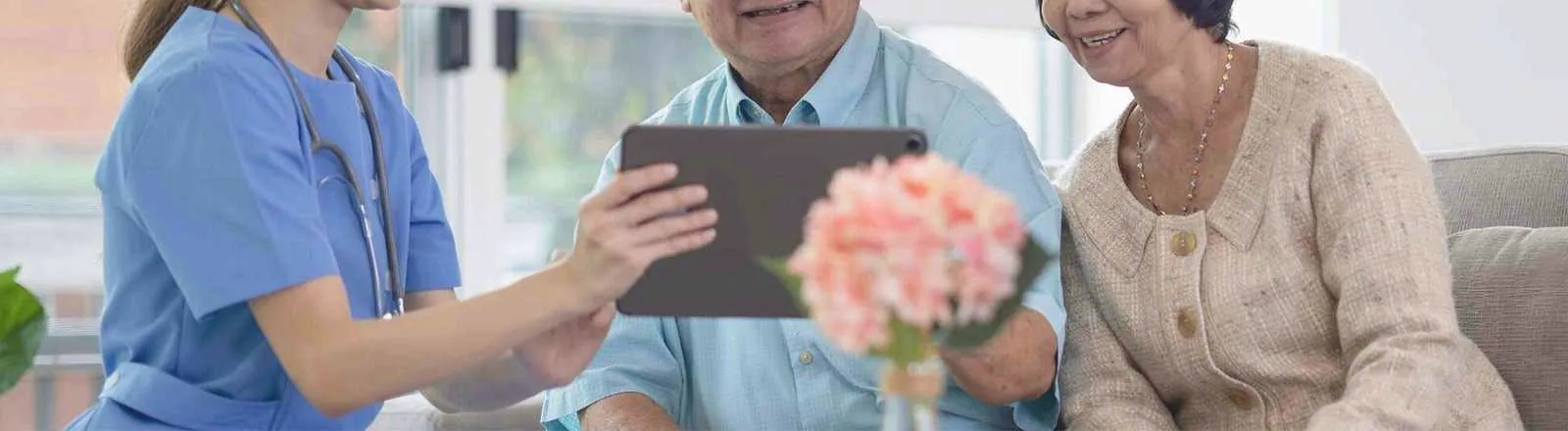
- Meal preparation and nutrition
- Medication reminders
- Light housekeeping
- Transportation
- Companionship and cognitive engagement
Our mission
“To provide exceptional non-medical home care that enhances quality of life through professional caregivers, personalized service, and innovative solutions — enabling individuals to maintain their independence and dignity in the comfort of their own homes.”
Our vision
The future we’re building.
Professional non-medical home care becomes standard
We foresee a future where non-medical caregivers are recognized as essential healthcare team members, with:
- Standardized professional certification
- Career lattice advancement opportunities
- Competitive compensation and benefits
- Integration with medical care systems
Aging in place becomes more accessible
We’re working toward communities where:
- Home care options are affordable and available to all who need them
- Housing includes universal design principles
- Technology supports independent living
Our core values
Compassion with Professionalism
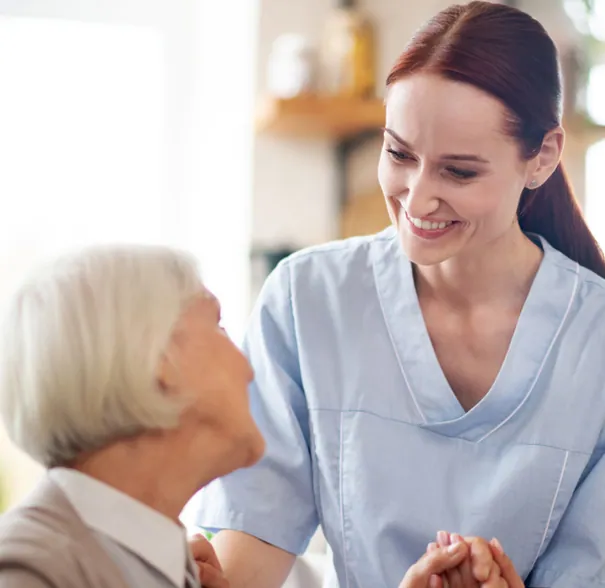
We combine heartfelt care with clinical-grade standards, understanding that empathy and expertise must work together. Our caregivers are trained to provide emotional support while maintaining appropriate professional boundaries.
Respect for Individuality
We honor each client’s unique personality, preferences, and life story. Care plans are customized rather than standardized, recognizing that quality of life means different things to different people.
Commitment to Excellence
We continually raise the bar for non-medical care through ongoing training, quality improvement initiatives, and adoption of evidence-based practices. Good enough is never good enough for our clients.
Leadership
The leadership team at Ideal Service Staff brings together clinical knowledge, operational experience, and visionary thinking that collectively drives our organization’s continued excellence. Our leaders have been selected not just for their credentials, but for their demonstrated commitment to elevating the entire caregiving profession through innovative practices and compassionate leadership.
Our innovative care model
Professionalized Caregiving Workforce
- 200+ hour certification program (vs. 75-hour state minimum)
- Specialized training tracks (dementia, rehabilitation, etc.)
- Career lattice with 5 advancement levels
Integrated Care Coordination
- Electronic health records for continuity
- Regular updates to family members
- Collaboration with medical providers
- Transition planning for hospital discharges
Evidence-based protocols
Fall Prevention Program
- Home safety assessments using CDC guidelines
- Mobility assistance techniques from physical therapy
- Transfer training certified by rehabilitation specialists
72%fewer falls than industry average
Cognitive Support System
- Validation therapy for dementia care
- Reminiscence techniques backed by neuropsychology
- Sundowning management strategies
65%reduction in agitation episodes